æƒ‘æ˜Ÿăšă„ă†ä»ŁèŹ

ä»Šæœˆă€äșŹéƒœäșșéĄžć­Šç ”ç©¶äŒšă§ă€ă‚„ă‚„ć°„çš‹ăźć€§ăă„è©±ă‚’ă™ă‚‹ă“ăšă«ăȘă‚ŠăŸă—ăŸă€‚ć…„è©Šă‚„ć­Šäœè«–æ–‡ă§æ…ŒăŸă ă—ă„1æœˆă«ă€æ°—ćˆ†è»ąæ›ăšă—ăŠè–Źăźç’°ćąƒäșșéĄžć­Šă‚’è€ƒăˆăŠăżă‚‹ăšă„ă†ă€ć°‘ă—éȘšăźæŠ˜ă‚Œă‚‹è©Šăżă ă‘ă©ă€çŸłäș•ă•ă‚“ăšăźè­°è«–ăšă€ŒäșŹäșșç ”ă€ăźć Žă‚’æ„œă—ăżă«ă—ăŠă„ăŸă™ă€‚

äșŹéƒœäșșéĄžć­Šç ”ç©¶äŒš2026ćčŽ1æœˆäŸ‹äŒšă€Œæƒ‘æ˜Ÿăšă„ă†ä»ŁèŹïŒšè–Źăźç’°ćąƒäșșéĄžć­Šă«ć‘ă‘ăŠă€
閱連URLhttps://kyojinken202601.peatix.com/event/4780477/

旄時2026ćčŽ1月23旄金18:30-20:00

ć Žæ‰€ïŒšäșŹéƒœć€§ć­Šç·ćˆç ”ç©¶2ć·é€šă€€4階AA447èŹ›çŸ©ćź€

Decomposing the Anthropocene

I was invited to this exciting workshop at the University of Tokyo in February as a discussant. Looks like there are other fellow anthropologists out there exploring the role of chemicals in making humans healthy and/or sick. Jump in if you’re interested in the topic and happen to be in the area!

Event page HERE

UTokyo Cultural Anthropology SeminarCOVID-19 and Humanities International Symposium

Decomposing the Anthropocene

Exploring Chemical Ethics Beyond the Laboratory

Chemical ethics is often considered a nascent area in which chemists think of ethical guidelines for conducting chemical research. However, as recent debates on the Anthropocene and metabolism have made clear, it is not only chemists who produce, consume, and emit chemicals. Also, as the various studies in chemo-ethnography have revealed, attention to the distribution and dispersal of chemical substances in the environment has become essential when thinking about the lives of humans and non-humans. Therefore, this symposium examines the everyday ethics of chemical-entangled beings based on examples from East Africa and Japan. Through this endeavor, it offers the unique opportunity to reexamine the Anthropocene from a more concrete and especially microscopic level.

Date: 4th Feb, 2024 (Sun), 2 pm to 6 pm

Venue: Collaboration Room1 4th floor on Building 18 in Komaba Campus, University of TokyoHYBRID OnsiteOnline

Chair: Maki Kitagawa (University of Tokyo)

14:00 – 14:15 Introduction: Akinori Hamada (University of Tokyo)

14:15 – 15:00 Paper 1 : Wenzel Geissler / Ruth Prince (University of Oslo) “Tracing the metabolites of history: studying the toxic aftermath of the1950s Pare-Taveta malaria eradication experiment”

15:00 – 15:45 Paper 2 : Mayumi Fukunaga (University of Tokyo) “Terra-reforming for socio-ecological salvation: Ways of governing aquatic nutrients for healing a stranger sea”

15:45 – 16:15 Break

16:15 – 17:00 Paper 3 : Ruth Prince (University of Oslo) “Toxic exposures and urban living: notes from Kisumu, Kenya”

17:00 – 17:20 Comment: Gergely Mohacsi (Osaka University)

17:20 – 18:00 Discussion

18:00 – Social Gathering

Embodied Value Theory

February seems to be the month for international workshop. This 1, of which I’m proud to be a discussant, is organized by The Anthropological Institute of Hiroshima (TAIHI) and revolves around two quite specific themes dear to my heart: #incommensurability and #embodiment. It is probably the first time for me to visit Hiroshima University not as an instructor, but a researcher—except the annual meeting of the Japanese Anthropological Association, which was held here some years ago. Feel free to join us either at the venue or online!

https://taihi.org/events/stefan-ecks/

The Anthropological Institute of Hiroshima (TAIHI) is pleased to announce a lecture by Dr. Stefan Ecks on embodied value theory, the novel anthropological theory that explains how living entities value life by way of commensuration. The lecture will take place at Hiroshima University at 4:00 p.m. JST on February 20, 2023. You are invited to take part either at the venue or online. Please kindly register your name in advance by submitting the form below.

Embodied Value Theory

Value theory has always been part of anthropological theory, but only implicitly. ‘Culture’ was basically defined as a pattern of values. An explicit anthropological discussion of value is fairly recent. Some believe that a general value theory can be achieved. Others think that anthropology is all about discovering cultural incommensurabilities that cannot contain a universal notion of value. The greatest conceptual challenge is if cultural values (in the plural) can be synthesized with economic and exchange-based value (in the singular). Here I argue that values and value can be brought together within an embodied value theory (EVT). At the core of this new theory of value is embodied life as the ground and goal of valuing. Life values living, and life tries to make the most of life by valuing different possibilities. I show that all valuing rests on comparisons, and that the infinite similarities between different entities can only be decided in pragmatic contexts. I propose that biocommensurations, where at least one entity in a comparison is alive, is the universal form of valuing.

Date: February 20, 2023, 4:00-6:00 p.m. JST

Venue: Hiroshima University, Higashi-Senda Innovative Research Center (2nd Floor, Room M204) and online (Zoom)

Program :
4:00-5:00 p.m. Lecture by Dr. Stefan Ecks
5:00-6:00 p.m. Comments followed by open discussion

Commentators :
Akinori Hamada (Tokyo University)
Mohacsi Gergely (Osaka University)

Moderator :
Makoto Nishi (Hiroshima University)

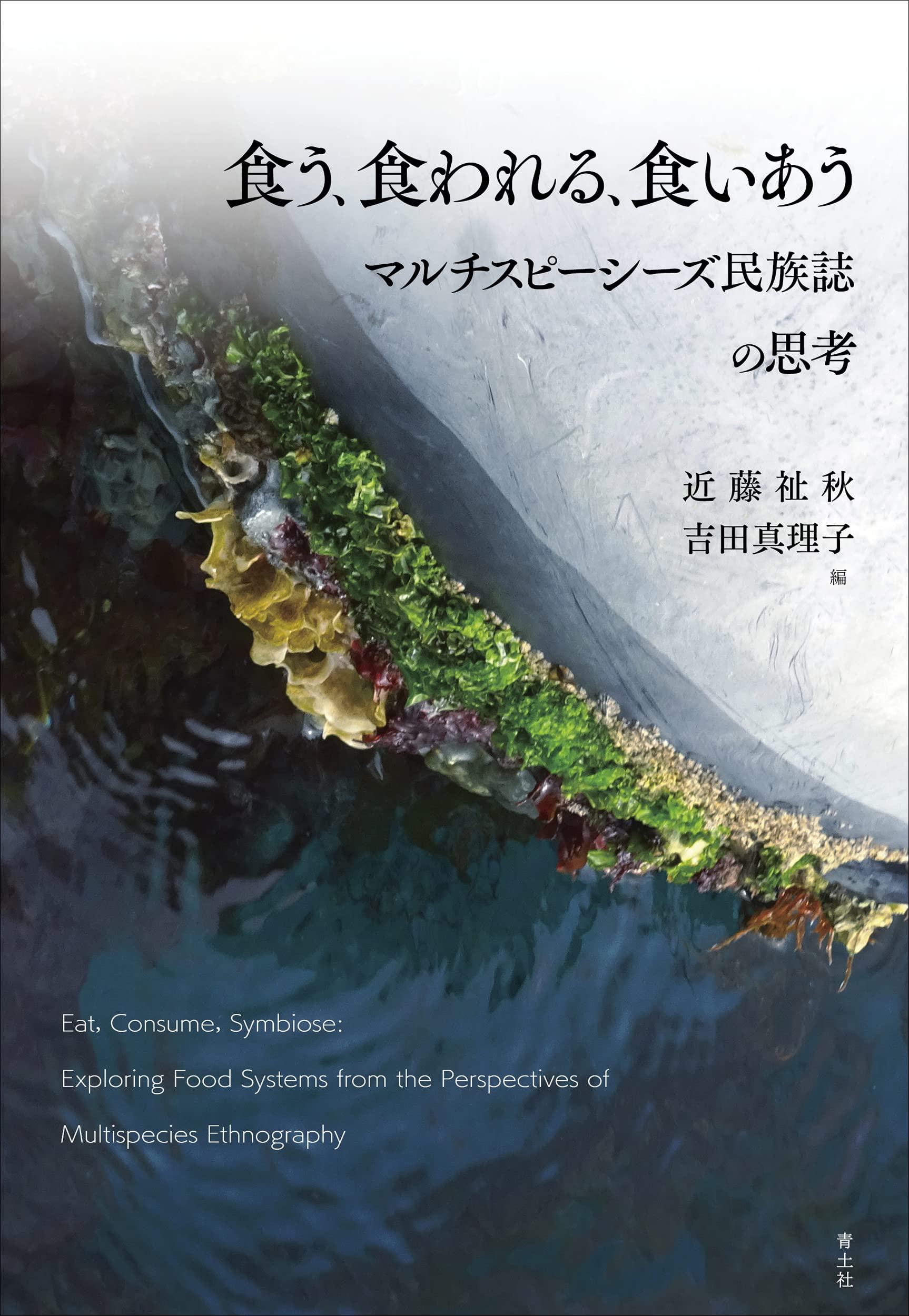
ćˆè©•äŒšă€ŽéŁŸă†ă€éŁŸă‚ă‚Œă‚‹ă€éŁŸă„ă‚ă†ïŒšăƒžăƒ«ăƒă‚čăƒ”ăƒŒă‚·ăƒŒă‚ș民族èȘŒăźæ€è€ƒă€ă€€

2æœˆă«ćșƒć€§ăźćˆè©•äŒšă§ă‚łăƒĄăƒłăƒˆă•ă›ăŠă„ăŸă ăă“ăšă«ăȘă‚ŠăŸă—ăŸă€‚ăƒ›ăƒƒăƒˆăȘèȘČ題で、äșșé–“ä»„äžŠăźæ°‘æ—èȘŒă‚’äž€ç·’ă«è€ƒăˆă‚‹ă“ăšăŻæ„œă—ăżă§ă™ă€‚

珏55ć›žäž­ć››ć›œäșșéĄžć­Šè«‡è©±äŒšă€€ćˆè©•äŒšă€ŽéŁŸă†ă€éŁŸă‚ă‚Œă‚‹ă€éŁŸă„ă‚ă†ïŒšăƒžăƒ«ăƒă‚čăƒ”ăƒŒă‚·ăƒŒă‚ș民族èȘŒăźæ€è€ƒă€
閱連URLhttp://www.jasca.org/meetings/meeting.html#chushikoku

珏59ć›žăƒžăƒ«ăƒă‚čăƒ”ăƒŒă‚·ăƒŒă‚șäșșéĄžć­Šç ”ç©¶äŒšăšăźć…±ć‚Ź
閱連URLhttps://www2.rikkyo.ac.jp/web/katsumiokuno/multi-species-workshop59.html  

旄時2022ćčŽ2月5æ—„ïŒˆćœŸïŒ‰14:00-16:30

開悬æ–čæł•ă‚Șăƒłăƒ©ă‚€ăƒłïŒˆZOOM
â€»äž»ć‚Źè€…ăšç™»ćŁ‡è€…ăźăżćŻŸéąă§ćźŸæ–œă„ăŸă—ăŸă™ă€‚

抂芁

ç„žæˆžć€§ć­Šăźèż‘è—€ç„‰ç§‹ă•ă‚“ă€ćșƒćł¶ć€§ć­Šăźć‰ç”°çœŸç†ć­ă•ă‚“ă‚’ăŠæ‹›ăă—ă€ăŠäșŒäșșăźç·šè‘—ă€ŽéŁŸă†ă€éŁŸă‚ă‚Œă‚‹ă€éŁŸă„ă‚ă†ïŒšăƒžăƒ«ăƒă‚čăƒ”ăƒŒă‚·ăƒŒă‚ș民族èȘŒăźæ€è€ƒă€ïŒˆ2021ćčŽ10æœˆćˆŠèĄŒă€é’ćœŸç€ŸïŒ‰ăźćˆè©•äŒšă‚’èĄŒă„ăŸă™ă€‚  

ăƒžăƒ«ăƒă‚čăƒ”ăƒŒă‚·ăƒŒă‚ș民族èȘŒăŻă€ă€Œäșșé–“ăšä»–çšźïŒˆă•ă‚‰ă«ăŻç”Ÿç‰©çšźă«ăšă©ăŸă‚‰ăšă€ă‚Šă‚Łăƒ«ă‚čă€æ©Ÿæą°ă€ăƒąăƒŽă€çČŸéœŠă€ćœ°ćœąă‚‚ć«ă‚€ïŒ‰ăźç”ĄăŸă‚Šă‚ă„ă‹ă‚‰äșșé–“ăšăŻäœ•ă‹ă‚’ć†è€ƒă™ă‚‹ćˆ†æžæž ç”„ăżă€ïŒˆp13ïŒ‰ă§ă‚ă‚Šă€çŸä»ŁäșșéĄžć­Šă«ăŠă„ăŠćœ±éŸżćŠ›ăźă‚ă‚‹ă‚ąăƒ—ăƒ­ăƒŒăƒăźäž€ă€ă§ă‚ă‚‹ăšèš€ăˆăŸă™ă€‚æœŹæ›žăźćșç« ă§ăŻă€ă“たäșș類歩ぼæ–čæł•è‡Șäœ“ăŒç§‘ć­ŠæŠ€èĄ“ç€ŸäŒšè«–ă€äșșæ–‡ćœ°ç†ć­Šă€æ”żæČ»ç”Ÿæ…‹ć­ŠăȘă©è€‡æ•°ăźç ”ç©¶æœźæ”ăźç”ĄăŸă‚Šă‚ă„ăźäž­ă§èșć‹•çš„ă«ć±•é–‹ă—ăŠă„ă‚‹ă“ăšă€ăă‚Œă‚†ăˆă«ä»–ăźç ”ç©¶ćˆ†é‡Žă‚’è§Šç™șă—ă†ă‚‹ćŻèƒœæ€§ă‚’ć€§ă„ă«æŒă€ă“ăšăŒćŠ›ćŒ·ă„èš€è‘‰ă§ç€șă•ă‚ŒăŠă„ăŸă™ă€‚

æœŹè«‡è©±äŒšă§ăŻă€è©•è€…ăšă—ăŠăƒąăƒăƒŒăƒăƒ»ă‚Čルă‚Čă‚€ă•ă‚“ïŒˆć€§é˜Șć€§ć­ŠïŒ‰ă€çŠæ°žçœŸćŒ“ă•ă‚“ïŒˆæ±äșŹć€§ć­ŠïŒ‰ă€ć±±ç”°äżŠćŒ˜ă•ă‚“ïŒˆćșƒćł¶ć€§ć­ŠïŒ‰ăź3ćă‚’ăŠæ‹›ăă—ă€ăă‚Œăžă‚Œç§‘ć­ŠäșșéĄžć­Šă€ç’°ćąƒç€ŸäŒšć­Šă€ăă—ăŠç”Ÿæ…‹ć­Šăźç«‹ć Žă‹ă‚‰ă‚łăƒĄăƒłăƒˆă‚’ă„ăŸă ăăŸă™ă€‚ćˆ†é‡Žă‚’è¶…ăˆăŸè‡Ș由ăȘćŻŸè©±ăźäž­ă§ă€ăƒžăƒ«ăƒă‚čăƒ”ăƒŒă‚·ăƒŒă‚ș民族èȘŒăŒç§ăŸăĄă«ă„かăȘă‚‹ă€Œæ€è€ƒăźçł§ă€ă‚’äžŽăˆăŠăă‚Œă‚‹ăźă‹ă€æŹ§ç±łă‚’äž­ćżƒă«ç™șć±•ă—ăŠăăŸă“ăźæ‰‹æł•ăšæ—„æœŹć›œć†…ăźć­ŠèĄ“çš„è­°è«–ăźé–ąäż‚ă«ă‚‚ç›źé…ă‚Šă—ă€ă€ă€æ”čă‚ăŠè€ƒăˆă‚‹æ©ŸäŒšăšă—ăŸă„ăšæ€ă„ăŸă™ă€‚

ăƒ—ăƒ­ă‚°ăƒ©ăƒ 

14: 00~14: 05ă€€é–‹äŒšæŒšæ‹¶
14: 05~14: 15ă€€èż‘è—€ç„‰ç§‹ïŒˆç„žæˆžć€§ć­ŠïŒ‰ăƒ»ć‰ç”°çœŸç†ć­ïŒˆćșƒćł¶ć€§ć­ŠïŒ‰ă€Œè¶Łæ—šèȘŹæ˜Žă€
14: 15~14: 30ă€€ăƒąăƒăƒŒăƒăƒ»ă‚Čルă‚Čă‚€ïŒˆć€§é˜Șć€§ć­ŠïŒ‰ă€ŒäșșéĄžć­Šăƒ»STSから」
14: 30~14: 45ă€€çŠæ°žçœŸćŒ“ïŒˆæ±äșŹć€§ć­ŠïŒ‰ă€Œç’°ćąƒç€ŸäŒšć­Šă‹ă‚‰ă€
14: 45~15: 00ă€€ć±±ç”°äżŠćŒ˜ïŒˆćșƒćł¶ć€§ć­ŠïŒ‰ă€Œç”Ÿæ…‹ć­Šă‹ă‚‰ă€
15: 00~15: 10ă€€äŒ‘æ†©
15: 10~15: 45ă€€ç·šè€…ăƒ»ćŸ·ç­†è€…ă‹ă‚‰ăźăƒȘăƒ—ăƒ©ă‚€
15: 45~16: 30ă€€ç·ćˆèšŽè«–